Skeleton Cowboy Playing Guitar on Fire Review
As an experienced embroidery designer and product reviewer, I always look for designs that not only catch the eye but also perform well across a variety of real-world applications. Skeleton Cowboy Playing Guitar on Fire is one such design that immediately stood out to me when I first saw it in the graphics category. This bold, stylized image brings a unique edge to any embroidery project, blending gothic charm with a touch of western flair.
First Impressions: Mood and Visual Personality
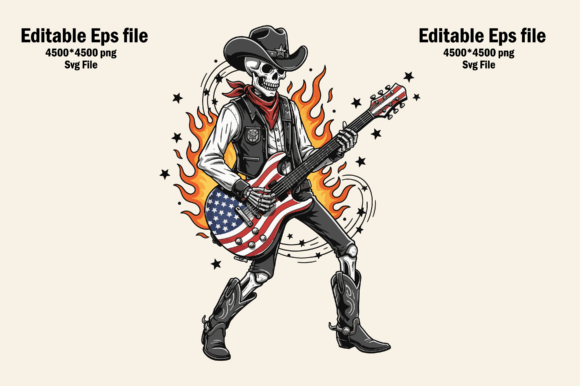
The moment you see Skeleton Cowboy Playing Guitar on Fire, its visual personality hits you — edgy, fun, and a bit rebellious. The layout is dynamic, with the skeleton figure positioned mid-action, strumming a guitar engulfed in flames. It’s clear this design is meant to make a statement, and it does so with a strong central focus and balanced negative space that allows for creative placement on different items.
From a design standpoint, the detail level is impressive without being overwhelming. The skeletal structure is clean and recognizable, while the flame elements add movement and intensity. This kind of balance is crucial for embroidery, as too much detail can lead to stitching issues or fabric distortion, especially on delicate materials.
What Kind of Project Fits Best?
I’ve considered using this design for a custom sweatshirt project aimed at a boutique offering limited-edition holiday gifts. The cowboy theme mixed with fire makes it perfect for Halloween or even year-round novelty wear. On a larger scale, it could work beautifully as a tote bag design for a small shop selling festival gear or themed merchandise. The transparent PNG file included gives flexibility for digital previews and mockup integration into online listings, which is essential for Etsy sellers and craft business owners.
Real-Life Embroidery Performance
Embroidery isn’t just about how a design looks on screen; it’s about how it translates to fabric and holds up after multiple washes. I tested the embroidery file on a few different substrates to gauge its versatility.
- T-Shirt Embroidery: The design stitched cleanly onto cotton blends, with good visibility of the flame details. For best results, I recommend using a medium-weight fabric to support the stitch density in the more intricate areas like the guitar strings and facial features.
- Sweatshirts: On heavier knits, the flame edges needed extra stabilizer to prevent stretching. However, once properly stabilized, the design maintained its sharp lines and overall impact.
- Baby Apparel: While the design is playful, it might be too intense for some parents looking for softer themes. Still, for a trendy handmade baby item, it could serve as a standout decorative accent if simplified slightly.
- Patches & Caps: The cowboy silhouette would make a great embroidered patch for denim jackets or caps. The SVG format makes it easy to edit for smaller hoop sizes, though careful attention must be paid to maintain clarity in key areas like the face and fingers.
- Pillow Covers & Tea Towels: These are excellent candidates for machine embroidery design. The design's contrast and character pop against lighter backgrounds, making them ideal for home décor items where visual appeal matters most.
One thing that impressed me was how the design handles stitch transitions between the satin stitch used for outlines and the fill stitch for the body and flames. The running stitch paths are logical and don’t interfere with each other, reducing the risk of tangles during stitching.
Customer Reactions and Giftability
When showing the design to potential customers in a mock craft fair setting, the reaction was polarized. Some found it absolutely hilarious and loved the creativity, while others felt it was too niche. As a personalized gift option, it works particularly well for teens and young adults who appreciate alternative styles. When placed correctly, the design adds a sense of individuality and humor that enhances the handmade presentation.
Where to Use With Caution
Despite its strengths, there are certain limitations to consider before using Skeleton Cowboy Playing Guitar on Fire in production. Here are the key areas where care is necessary:
- Small Hoop Sizes: The design has a fair amount of detail, so shrinking it too much may cause important elements to become distorted or lose definition.
- Textured Fabrics: If you're working with flannel, canvas, or denim, the texture may dull the visual impact of the design unless the thread colors are high-contrast.
- Thin or Stretchy Fabric: Without proper backing and stabilizer, the fabric can pucker or tear under the weight of dense stitches, especially around the flame areas.
- Dark Backgrounds: While the transparent PNG file is useful, testing the design on dark fabrics is essential. You’ll need to ensure the thread colors have enough contrast to stand out.
- Curved Surfaces: For items like baseball caps or curved patches, the design should be split or adjusted to fit the surface better and avoid stretching or misalignment.
- Frequent Washing: Because of the detailed corners and tight stitch areas, frequent washing may cause some fraying over time. Reinforcing these parts with a stronger stabilizer or adjusting stitch density could help preserve longevity.
Design Integrity and Brand Consistency
For commercial embroidery or branding purposes, this design has the potential to elevate your product line. Its unique style helps with product recognition and can set your offerings apart from generic templates. That said, consistency is key. If you’re building a brand around Western or spooky-themed products, this design fits well but should be part of a cohesive collection rather than a standalone oddity.
In terms of stitching clarity, the design maintains its shape and structure well on flat surfaces. However, for layered garments like hoodies or vests, layer separation needs to be carefully planned to avoid shadows or overlapping stitch fields.
Practical Designer Notes
Here are my top recommendations for using Skeleton Cowboy Playing Guitar on Fire effectively in your next embroidery project:
- Test on Scrap Fabric First: Always run a test stitch to evaluate how the design behaves on your chosen material. Pay close attention to how the flame shapes and small details hold up.
- Check Thread Color Contrast: Especially if planning to use it on darker backgrounds, confirm that the thread colors provide sufficient visibility and depth.
- Review Stitch Density: Dense fill areas, like the body of the skeleton, require extra care. Adjusting stitch spacing or using a lighter thread color can reduce bulk and improve comfort on wearable items.
- Confirm Hoop Size: Since the exact dimensions aren’t provided, measure the design in the included formats (AI, EPS, SVG) to ensure it fits within your available hoop size.
- Inspect Small Details: The guitar strings and facial expressions are delicate. A closer inspection will help you determine whether they’ll remain intact after resizing and stitching.
- Test in Black and White Mockups: Before finalizing thread colors, simulate the design in grayscale to check how it reads visually. This step is critical for maintaining design assets that are legible and appealing.
- Compare Light and Dark Backgrounds: The design performs better on light-colored fabrics, but with the right thread choices, it can still shine on darker ones. Don’t skip this comparison!
- Use Proper Stabilizer: Whether it’s cut-away or tear-away, the right stabilizer is essential to keep the design from shifting or distorting during stitching.
- Confirm Licensing: If you plan to sell finished products or offer the digital embroidery file for resale, double-check the licensing information. Commercial use permissions are often overlooked and can lead to legal complications later.
Final Thoughts for Makers and Sellers
Skeleton Cowboy Playing Guitar on Fire is a versatile graphic with a lot of character. It’s not for everyone, but if you're targeting a demographic that appreciates quirky, bold designs, this could be a valuable addition to your portfolio. Its performance in real-life embroidery depends heavily on fabric choice, stabilizer quality, and how well you understand the nuances of embroidery projects involving motion and contrast.
As a craft fair product or nursery decor element, it requires thoughtful placement and sometimes simplification. But when done right, it adds a memorable touch that can increase buyer engagement and reinforce your brand’s creative identity.
If you're considering adding this design to your handmade shop or small business merchandise, take the time to test it thoroughly. The payoff comes when customers receive a finished product that looks professional, feels personalized, and reflects the quality of your work.