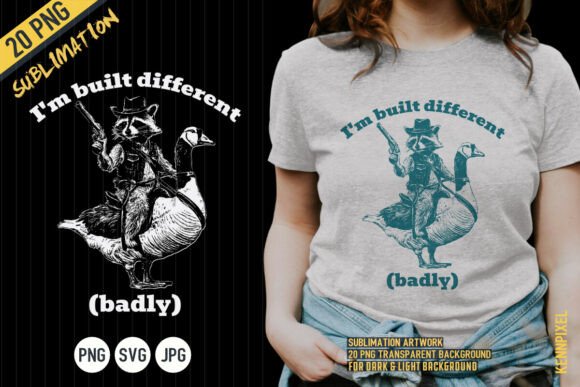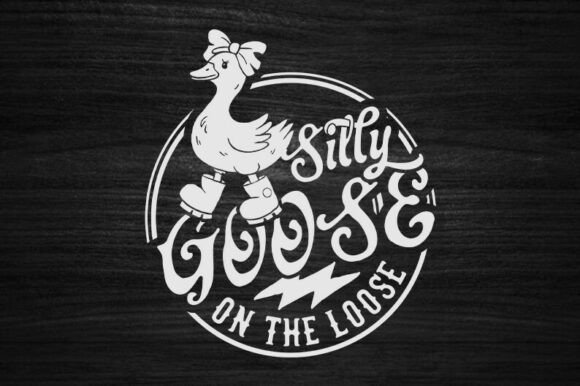
Silly Cowboy Goose on the Loose SVG Review
When I first pulled up Silly Cowboy Goose on the Loose SVG, my initial reaction wasn’t about the novelty of the character, but rather about its structural integrity for actual production. As a designer who spends half my day troubleshooting thread breaks and the other half trying to make digital assets look expensive in real life, I look for designs that translate well from screen to stitch. This graphic sits squarely in the T-Shirt Designs category, but let’s be honest: if you are buying this as a Graphics asset, you likely already know it has legs beyond just a standard tee. It has that specific "viral potential" quality that sells at craft fairs and converts on Etsy listings.
First Impressions and Visual Personality
The mood here is undeniably playful. The silhouette suggests movement—hence "on the loose"—which gives the design an inherent energy that static images often lack. For an embroidery project, this kinetic feel is crucial because it allows the eye to travel across the hoop without getting stuck. The theme taps into the enduring popularity of rustic, farm-to-table aesthetics mixed with absurd humor. It feels like something a modern boutique would stock alongside artisanal honey or hand-thrown pottery.
Visually, the layout appears balanced. There is enough negative space around the central figure to allow for proper digitizing without crowding the edges of the fabric. This is where many amateur designers fail; they pack the design so tightly that there is no room for the needle to breathe. Here, the composition suggests confidence. It doesn’t need excessive embellishment to hold attention. This makes it an excellent candidate for a machine embroidery design where simplicity often equals professionalism.
Real-World Application: From Screen to Stitch
Let’s talk about how this performs when we move away from the monitor and onto the fabric. I recently considered using this concept for a custom embroidered tote bag for a local farmers' market vendor. The idea was to create a branded accessory that felt personal yet approachable. In this scenario, Silly Cowboy Goose on the Loose SVG shines. The whimsical nature of the goose lowers the barrier to entry for customers who might find traditional cowboy motifs too rugged or serious.
For custom apparel, such as sweatshirts or heavy cotton t-shirts, this design offers a great contrast point. The bold lines of a cartoon-style goose tend to hold up well against the texture of knit fabrics. However, I found myself thinking about smaller applications, too. An embroidered patch featuring this character could easily become a bestseller for kids’ jackets or denim vests. The "cowboy" element adds a touch of Americana that resonates strongly in certain demographics, particularly in rural or suburban markets.
I also envision this working beautifully as part of a holiday collection. Imagine this design paired with subtle autumn leaves or winter snowflakes on a kitchen towel or tea towel. These items are high-margin, low-complexity products for any Etsy seller or small shop product line. The humor makes it gift-worthy, which is the primary driver for impulse buys during the holiday season.
Technical Considerations and Fabric Constraints
While the visual appeal is strong, practical execution requires caution. Not every surface is created equal, and Silly Cowboy Goose on the Loose SVG will behave differently depending on your substrate. If you are planning to use this on a curved surface like a baseball cap, you need to be mindful of the distortion. The brim can warp the lower portion of the design, potentially squishing the goose’s legs or distorting the hat brim if the digitizing isn’t adjusted for curvature.
Textured fabrics present another challenge. A chunky knit sweater or a rough burlap tote might obscure fine details. If the original graphic contains intricate linework or small decorative accents, these may get lost in the weave. I always advise testing on scrap fabric first. When I tested similar vector-based graphics on a slubby linen, the satin stitch outlines became jagged and uneven. To avoid this, ensure your stitch density is appropriate for the fabric weight. Heavy fabrics can handle denser fills, while thin materials require lighter touches to prevent puckering.
Dark fabrics also demand careful color selection. The contrast between the thread and the background is what makes the design pop. If the goose is primarily light-colored, stitching it on black denim might require a cut-away stabilizer to support the tension and prevent the threads from pulling through. Conversely, on light fabrics, you have more freedom with thread colors, but you must watch out for transparency issues if the fill stitches are too sparse.
Impact on Product Value and Branding
Using a well-executed design like this elevates the perceived value of your handmade product. Customers can often tell the difference between a mass-produced print and a carefully stitched piece. The tactile quality of embroidery adds depth and durability, signaling to the buyer that this item is built to last. For a commercial embroidery business, this distinction is vital for building trust and encouraging repeat purchases.
Furthermore, the unique personality of the goose helps with brand consistency. If you are building a niche brand around quirky, rustic, or humorous themes, having a signature character like this creates recognition. It becomes a visual shorthand for your style. When customers see that specific goose, they immediately associate it with your shop’s aesthetic. This kind of branding is powerful for design assets that are meant to be licensed or sold as part of a larger collection.
Practical Designer Notes for Execution
Before you load this file into your machine, there are several steps I recommend taking to ensure success:
- Test on Scrap Fabric: Always run a test stitch-out on the same type of fabric you plan to use for the final product. This reveals issues with tension, stability, and color contrast before you waste material.
- Check Thread Color Contrast: Ensure that your chosen thread colors provide sufficient contrast against the fabric. Low-contrast combinations can make the design look muddy or invisible.
- Review Stitch Density: High-density areas can cause bulkiness, especially on lightweight garments. Adjust the density settings if necessary to maintain a soft hand-feel.
- Confirm Hoop Size: Make sure the design fits within your intended hoop size. If the design is larger than your hoop, you will need to rehoop, which can lead to alignment issues.
- Inspect Small Details: Zoom in on the digital file to check for tiny elements that might not stitch out clearly. Thin lines or small text may disappear or break during the stitching process.
- Use Proper Stabilizer: Select a stabilizer that matches the fabric weight and stretch. Cut-away stabilizers are generally better for woven fabrics and frequent washing, while tear-away works well for stable, non-stretch materials.
- Verify Licensing: If you intend to sell finished items, confirm the commercial usage rights of the digital embroidery file. Some licenses restrict the number of units you can produce or prohibit resale altogether.
Final Verdict
Silly Cowboy Goose on the Loose SVG is a versatile and charming addition to any designer’s toolkit. Its blend of humor and rustic charm makes it suitable for a wide range of applications, from personalized gifts to craft business merchandise. By paying attention to technical details like fabric choice, stabilizer selection, and stitch density, you can transform this simple graphic into a professional, high-quality finished product that customers will love. Whether you are creating a tote bag design for a summer festival or a cozy sweatshirt embroidery for fall, this design offers a reliable foundation for creative expression.
In summary, this is more than just a cute image; it is a functional design asset that respects the constraints of embroidery while maximizing visual impact. With careful preparation and thoughtful execution, Silly Cowboy Goose on the Loose SVG can help you create memorable, marketable items that stand out in a crowded marketplace.