Cowboy Silhouette with Lasso Western Boots
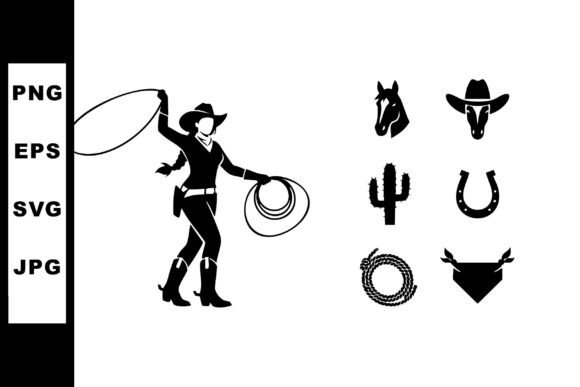
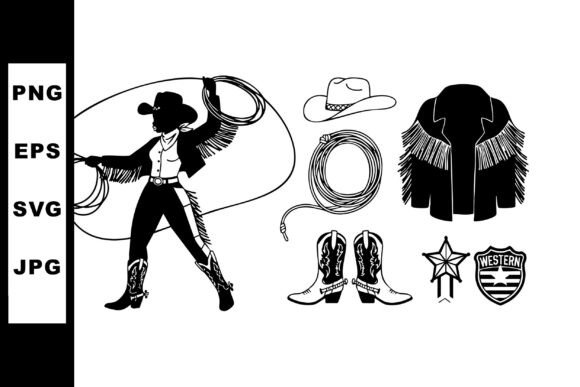
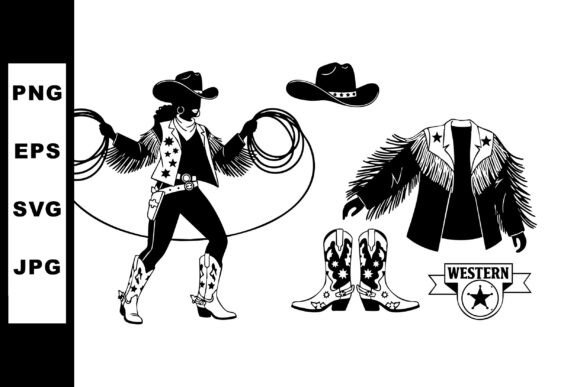
When I first opened the Cowboy Silhouette with Lasso Western Boots design, I was immediately struck by its bold character and clear visual storytelling. This isn’t just another western-themed graphic — it’s a cohesive illustration that brings together a classic silhouette, a lasso in motion, and an array of authentic western gear like boots, jacket, and hat. The mood is rugged, nostalgic, and effortlessly cool. It feels like the kind of design you’d expect to see on a vintage denim jacket or a hand-stitched leather belt, yet it translates surprisingly well into modern embroidery projects.
A Design That Speaks for Itself
The strength of this design lies in its simplicity and symmetry. The cowboy figure is stylized enough to avoid being too literal but detailed enough to feel genuine. The use of negative space in the silhouette adds depth without overwhelming the viewer. The layout is balanced, with the lasso flowing naturally from the rider’s hand and the western accessories arranged in a way that complements rather than competes with the main image.
I found myself imagining how this could look stitched onto a custom sweatshirt for a western-themed boutique or as part of a personalized gift set. Its visual personality is strong enough to stand out but versatile enough to blend into a variety of products. For someone running a craft business or selling handmade goods on Etsy, this could be a valuable asset — especially if their brand leans toward Americana or rustic themes.
First Impressions: Mood and Practicality
As an experienced embroiderer, I always start by asking, “How will this translate to fabric?” The Cowboy Silhouette with Lasso Western Boots passes the test. The clean lines and minimal shading are ideal for machine embroidery. You won’t need to add much extra embellishment; the design speaks for itself. But what really stood out was how it felt like a real project — not just a digital file. It has presence. It tells a story. And in the world of embroidery, that can make all the difference.
Real-World Use Cases
This design shines when applied to larger items where you want to make a statement. Think of a tote bag with a western twist, a sweatshirt for a fall collection, or even a baby blanket with subtle color changes to keep it soft and inviting. It also works well as an embroidered patch, especially if you’re aiming for a vintage aesthetic. The detail level is high enough to create interest but not so intricate that it becomes difficult to stitch cleanly across different materials.
- Custom Apparel: Ideal for unisex sweatshirts or men's t-shirts looking to add a touch of old-time charm.
- Baby Embroidery: Can be adapted with softer colors and smaller scale for nursery decor or onesies.
- Pillow Covers & Aprons: Makes a great feature on home décor items that benefit from a rustic or themed look.
- Holiday Gifts: Especially for Father’s Day, birthdays, or Christmas gifts where western motifs are appreciated.
- Etsy Listings: Perfect for sellers who offer personalized or thematic designs to niche audiences.
One thing I noticed right away is that it looks fantastic in both color and black-and-white versions. As a designer, I often test my files in grayscale to see how they’ll hold up on dark backgrounds or when printed as a printable mockup. In this case, the contrast between the cowboy and his environment remains strong, which is a big plus for digital embroidery files used in commercial settings.
Where to Use It Carefully
While this design is impressive, there are a few scenarios where I’d advise caution. For instance, if you plan to use it on very small hoop sizes — say under 4 inches — you might find that some of the finer details get lost. The same goes for stretchy or textured fabrics. On something like a knitted cap or a canvas apron, you may need to adjust stitch density or choose a more forgiving thread type to prevent puckering or distortion.
- Small Hoop Sizes: Details may become less defined.
- Dark Fabric Backgrounds: Consider using a light thread base for better visibility.
- Thin or Delicate Fabrics: May require extra stabilizer to maintain shape and clarity.
- Curved Surfaces (like caps): Adjust placement carefully to avoid stretching or misalignment.
Also, watch out for dense stitch areas around the cowboy’s silhouette. If you’re working with a budget-friendly embroidery machine, those zones might push the limits of your hardware. Always check your machine compatibility before finalizing the embroidery project.
Visual Appeal Meets Stitching Clarity
What I appreciate most about the Cowboy Silhouette with Lasso Western Boots is how it balances visual appeal with stitching clarity. The shapes are crisp, and the vector paths are clean — which means fewer errors during digitization and better results after stitching. When customers receive a finished product with this design, they’ll notice the attention to form and motion. It’s not just an image; it’s a moment frozen in time, which elevates the product value significantly.
For handmade shop owners, this design can serve as a signature element. It adds a professional edge to your offerings and reinforces brand consistency. Whether you're creating sweatshirt embroidery or tote bag designs, having a consistent motif helps buyers recognize your work instantly. That kind of recognition builds trust and repeat sales — two things every creative entrepreneur should aim for.
Design Notes for Embroidery Success
Here are some practical tips I’ve picked up over the years when using similar graphics:
- Test on Scrap Fabric First: Get a sense of how the design behaves on your chosen material.
- Check Thread Color Contrast: Especially important if you’re using dark-colored garments or natural fabrics.
- Review Stitch Density: Too tight and it risks breaking threads; too loose and it loses definition.
- Confirm Hoop Size: Larger hooping ensures better stability and accuracy.
- Inspect Small Details: Make sure the lasso curve and boot outlines are smooth and don’t break apart.
- Use Proper Stabilizer: A tear-away or cut-away stabilizer can help maintain the integrity of the design.
- Test in Black and White Mockups: Helps evaluate visibility on various fabric tones.
- Compare Light and Dark Backgrounds: You might be surprised at how much the design stands out depending on fabric choice.
- Consider Commercial Use Restrictions: Always confirm licensing terms before selling the finished product or using it in commercial embroidery projects.
Final Thoughts from the Field
In my experience, the best embroidery designs are the ones that feel like they belong on the item — not just visually, but thematically. The Cowboy Silhouette with Lasso Western Boots does that beautifully. It doesn’t shout, it doesn’t hide — it simply fits. That makes it a solid candidate for small shop products and personalized gifts alike.
If you're considering this for a craft fair product or a new line of custom apparel, take a step back and think about how it will be perceived. Will it resonate with your audience? Does it reflect the quality and care you put into your handmade products? If yes, then this one is worth exploring further.
Remember, no matter how good the illustration looks on screen, it’s only when it’s stitched that you truly know if it works. So go ahead — give it a try, but do your due diligence. Check the file formats (SVG, EPS, JPG, PNG), verify compatibility with your equipment, and consider your target market. That’s how you turn a graphic into a design asset that people remember and return for again and again.