Cowboy Character with Lasso: A Bold Embroidery Design for Real Projects
As an experienced embroidery designer and product reviewer, I often find myself evaluating how a design will translate from screen to fabric. Cowboy Character with Lasso Rope Hat Boo is one of those illustrations that immediately grabs attention—not just for its visual flair but for the versatility it brings to real-world projects. It's not just a graphic; it's a statement.
First Impressions: Classic Western Energy in Black and White
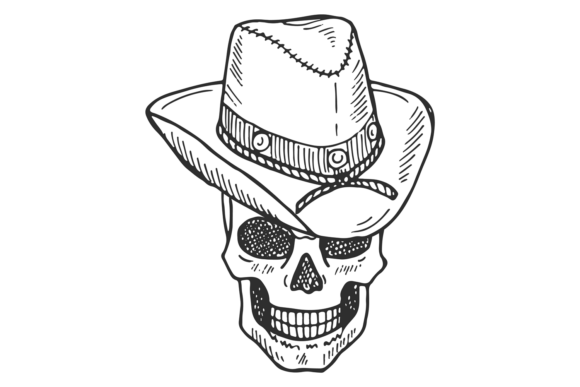
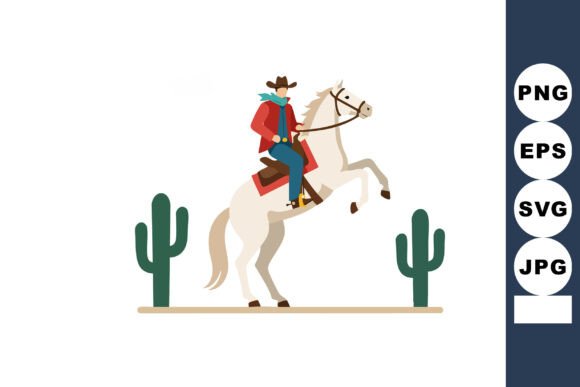
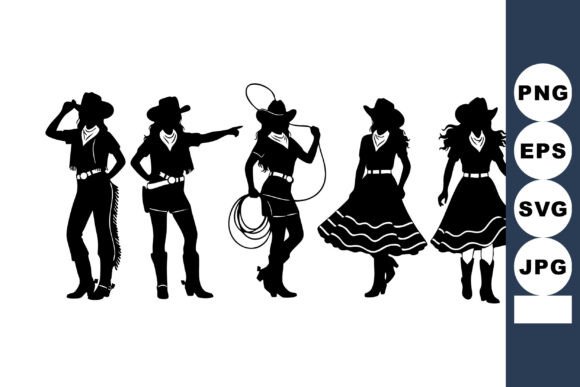
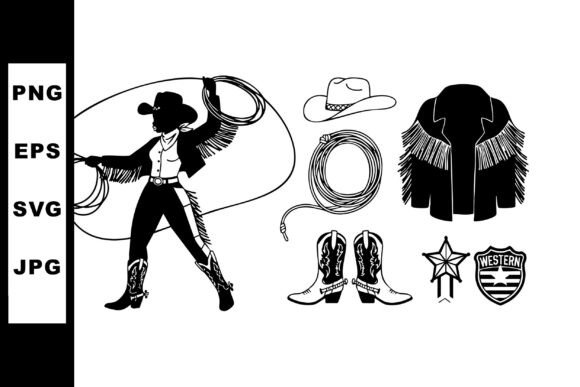
The first thing you notice about this illustration is its energetic yet timeless vibe. The cowboy character is stylized in a clean black-and-white format, which gives it a strong graphic presence. He’s got a lasso, a hat, boots, jacket, and a western badge—each element rendered clearly enough to maintain identity at different sizes. The layout feels dynamic, as if he’s mid-action, which adds a sense of motion and story to any project he appears on.
This kind of design doesn’t shout—it whispers with confidence. Because of its monochrome nature, it can easily adapt to both bold and subtle color palettes when converted into thread. As someone who works with clients looking for embroidered branding or personalized gifts, I appreciate the balance between detail and simplicity. It’s classic western without being cliché.
Visual Personality and Project Fit
Visually, this character embodies a rugged charm. He would feel right at home on a sweatshirt, a tote bag, or even a patch for denim jackets. His silhouette suggests a bit of movement, so he looks great on items where the design isn’t static. Think of him as the perfect fit for a western-themed boutique or a line of handmade goods with a storytelling edge.
I see potential for this design in custom apparel and personalized gifts. It could be stitched onto a baby onesie for a rustic nursery theme or used in holiday embroidery like Christmas stockings or gift tags. The key is understanding where the character’s energy complements the item rather than competes with it.
Real-World Performance in Embroidery Projects
When using Cowboy Character with Lasso Rope Hat Boo in actual embroidery work, I found it performs best on medium to large hoop sizes. The design has enough detail to stand out without becoming too busy, but scaling it down can cause some elements—like the badge or lasso—to lose clarity. If you're planning a small shop product such as a cap or patch, make sure to review the stitch density and adjust accordingly.
For handmade products, especially those intended for craft fairs or Etsy listings, this design adds a level of professionalism and brand consistency. Its clear lines and recognizable symbols (hat, lasso, badge) help customers instantly connect with the western theme. As a result, it can boost buyer engagement and give your digital embroidery file more value in the marketplace.
On a tote bag, the character stands tall. On a sweatshirt, he gains momentum. But what really impressed me was how well he translated into a printable mockup for digital product previews. The JPG and SVG files included in the ZIP are crisp and ready for use, making it easy to showcase the final look before stitching.
Where to Use with Caution
While the design is adaptable, there are a few scenarios where it needs extra care:
- Small Hoop Sizes: Details like the badge or facial features may get lost. Always test at scale before committing.
- Textured or Thin Fabrics: These can soften the contrast of black and white, reducing the impact of the character. Consider using a stronger stabilizer.
- Stretchy Materials: Especially on items like leggings or elastic waistbands, the design might distort. Stick to woven or non-stretch fabrics.
- Dark Fabric Backgrounds: While the character is in black and white, placing him on a dark background could reduce visibility unless thread colors are adjusted.
- Curved Surfaces: Hats, caps, or curved patches need careful alignment and possibly resizing to avoid stretching.
Also, if you plan to stitch this design onto layered garments or kitchen towels that endure frequent washing, ensure the stitch density is sufficient to prevent fraying or loosening over time.
Design Notes for Embroidery Success
Here are a few practical tips based on my experience working with this design:
- Test First: Before applying it to your final product, try it on scrap fabric to assess how it stitches and lays flat.
- Review Thread Colors: Since it's a black and white illustration, consider how different thread shades might enhance or detract from the design. A single-color thread palette usually works best here.
- Check Stitch Density: Look closely at the fill stitch areas. Too loose and it won’t hold up; too tight and it might pucker. Adjust for the fabric type.
- Confirm Hoop Size: This design benefits from a larger hoop to keep all elements visible and proportional.
- Inspect Small Details: The badge and facial expressions are key to the character’s personality. Make sure they don’t become pixelated or distorted during resizing.
- Use Proper Stabilizer: Especially important for stretchy or delicate materials. A tear-away or cut-away stabilizer can make a big difference in stitch integrity.
- Check Licensing: If you’re selling finished items or digital designs, confirm the licensing terms. You wouldn't want to invest in a commercial embroidery run only to hit legal issues later.
Thread and Fabric Compatibility
Because no specific thread colors or machine compatibility were listed in the product description, I recommend checking the SVG and EPS files to see how they define color layers. This helps determine whether you’ll need multiple thread colors or if a single tone will suffice.
Fabric texture also plays a role. If you're using it on a pillow cover made from canvas or linen, the design will stitch cleanly and show off its sharp edges. On something like felt or fleece, you'll need to adjust the stitch type—perhaps switching from running stitch to satin stitch in certain areas for better definition.
Customer Reactions and Marketability
One of the things I love about this design is how it resonates with people. The cowboy theme is universally appealing, especially in regions with a strong western culture. When I showed it to a group of Etsy sellers, several immediately thought of gift bags or apparel decorators for themed events or ranch-themed weddings.
It’s a design asset that can elevate the perceived product value. Whether you're creating handmade gifts for family or small business merchandise, having a strong, recognizable figure like this cowboy increases the giftability factor. People remember characters—they become part of your brand identity.
Professionalism and Brand Consistency
Incorporating this character into your embroidery project can help maintain brand consistency across a range of items. From logo embroidery on aprons to a decorative accent on blankets, the same visual language is preserved. That’s powerful for creative entrepreneurs who want their products to feel cohesive and professionally curated.
But remember, branding is only effective if the design stays true to itself. Don’t force it onto a product where it doesn’t naturally belong. Let the mood of the illustration guide your choices. For instance, while it could work on a baby item, it might be more appropriate for a teen or adult audience due to its energetic and adventurous tone.
Final Thoughts for Makers and Designers
Cowboy Character with Lasso Rope Hat Boo is a solid choice for designers who value character-driven graphics in their illustrations and graphics library. It brings a sense of authenticity and fun to any embroidered patch or custom apparel piece.
However, its effectiveness depends on thoughtful application. Take time to understand how the design interacts with your chosen fabric, thread, and hoop size. Treat it like any other machine embroidery design—with respect and precision. And always remember to test it on a sample before going full-scale, particularly if you're aiming for professional-grade results.
Overall, this design offers a unique blend of style and substance. It’s not just an image—it’s a mood, a symbol, and a conversation starter. Used wisely, it can turn a simple handmade product into a memorable one.