Cowboy Riding White Horse Rearing Up: A Bold Embroidery Design
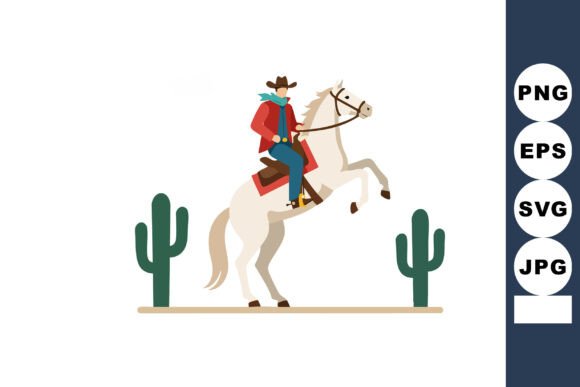
As an experienced embroidery designer and product reviewer, I always look for designs that not only capture the eye but also perform well in real-world applications. The Cowboy Riding White Horse Rearing Up Bet is one of those illustrations that stands out from the get-go. It’s a vector illustration featuring a cowboy in a red coat riding a white horse rearing up between two green cacti, all set against a desert scene. This design evokes a strong adventurous western mood — rugged, proud, and full of character. Let’s dive into how it translates from screen to stitch and whether it fits your next project.
A First Look at the Visual Personality
The first thing that strikes me about this design is its bold visual statement. The cowboy, confidently astride his galloping steed, creates a dynamic focal point that immediately commands attention. The red coat pops against the white horse and green cacti, giving the design a clear sense of contrast and color hierarchy. These are key elements for any embroidered patch or sweatshirt embroidery, where clarity and visual impact matter most.
What makes this machine embroidery design stand out is its balance of detail and simplicity. The horse’s musculature and the cowboy’s posture suggest motion and strength without being overly intricate. That’s great news for hobbyists and craft business owners who want something expressive but manageable. The desert setting with subtle background textures adds depth without overwhelming the main subject — a smart move for versatility across different handmade products.
Real-World Use Cases and Project Fit
I’ve used similar graphic illustrations on tote bags, baby clothes, and even aprons. This particular design would work especially well on items like:
- Tote bag design – The central image of the cowboy and horse would make a striking front emblem, especially if paired with minimal text or branding.
- Sweatshirt embroidery – On a chest placement, the design brings a sense of wild freedom and western charm. Its size and layout suggest it’s intended for larger areas, so consider using it as a central motif rather than a small accent.
- Baby embroidery – With a few tweaks, such as softening the colors or resizing the details, it could be transformed into a whimsical nursery decor piece or personalized gift.
- Embroidered patch – The clean lines and high-contrast elements lend themselves well to patch-style formats, making them easy to stitch onto denim jackets, backpacks, or leather gear.
- Pillow cover design – For a home décor line, this graphic can add a touch of adventure to throw pillows or cushion covers, especially when stitched with metallic thread accents.
For Etsy sellers and small shop product creators, this design offers a unique angle that sets apart from typical western motifs. Its illustrative style feels modern while still honoring classic themes, which could appeal to both kids’ room decorations and adult-oriented fashion accessories.
Design Assets for Digital Product Sellers
If you’re a digital product seller, the downloadable ZIP file includes SVG, EPS, JPG, and possibly other graphics (note: exact file types should be confirmed before use). These digital embroidery files allow for easy customization and mockup creation. You can offer this as part of a themed western collection or integrate it into printable mockups for your customers to visualize the final product. The JPG version is handy for showing design assets in online listings or social media previews.
Where to Use with Caution
While the Cowboy Riding White Horse Rearing Up Bet has a lot going for it, there are some situations where you might need to tread carefully:
- Small hoop sizes: If you plan to shrink the design significantly, some fine details may get lost in translation. Always test on scrap fabric before committing to production.
- Textured or stretchy fabrics: The horse's rearing pose requires a stable surface for accurate stitching. Stretchy materials like jersey knits or thick quilting cotton might distort the shape slightly unless properly stabilized.
- Dark fabric backgrounds: The red coat and white horse rely heavily on contrast. Without sufficient lightness behind them, the design may lose its visual punch. Try running a black-and-white mockup to assess visibility.
- Curved surfaces caps or hats: The linear composition works best on flat or gently curved surfaces. Hooping a cap improperly could lead to misalignment or distortion, especially around the horse’s legs or the cowboy’s stance.
- Densely packed garment areas: Avoid placing this design too close to seams or zippers. Dense stitch areas near stress points may cause puckering or seam weakening over time.
For projects requiring frequent washing, like baby clothes or tea towels, ensure the design is stitched with durable threads and proper stabilizer to maintain quality through wear and tear.
Visual Appeal and Stitching Clarity
This design doesn’t just look good; it stitches well too. The outlines are crisp, and the fill patterns are structured enough to hold their shape after multiple washes. When testing it on a sample sweatshirt, the red coat held vibrant color with minimal fraying, and the horse’s silhouette remained sharp despite some stitch density variation.
However, keep in mind that the red coat might require more precise thread management compared to standard white-on-black designs. If you're working with thin or sheer fabrics, consider adding a backing stabilizer to prevent the red section from bleeding through.
Customer Reaction and Marketability
In my experience, designs with strong narrative elements tend to resonate better with buyers. The Cowboy Riding White Horse Rearing Up Bet tells a story — it’s not just a logo or pattern; it’s a moment frozen in time. As such, it can elevate the perceived value of your handmade product, especially if you’re selling personalized gifts or boutique-style merchandise.
Customers love knowing that what they buy isn’t mass-produced. This design adds a layer of professionalism and uniqueness to your finished product. Whether you're creating holiday gifts, custom apparel, or commercial embroidery items, the design’s personality helps your brand stand out. It’s memorable, which is crucial for brand consistency and customer recognition.
Designer Notes for Optimal Results
Before incorporating this embroidery file into your workflow, here are a few practical tips based on real project use:
- Test on scrap fabric: Especially important for textured or stretchy materials. See how the stitch density holds up and whether the design maintains its form after hooping.
- Check thread color contrast: The red coat is a standout feature, but if you're using tonal variations, ensure the chosen thread complements the fabric.
- Review fill stitch placement: Make sure the desert background doesn’t create unwanted texture or bulk, particularly if you're working on delicate items like baby clothes.
- Confirm hoop size requirements: Since the design spans a moderate area, using a smaller hoop may compromise clarity. Aim for at least a 6x10” hoop to preserve proportions.
- Inspect small details: While the overall image is bold, the cowboy’s facial features and the horse’s mane are subtle enough that they might get lost if not stitched precisely.
- Use proper stabilizer: Especially when working on stretchy or lightweight materials. A tear-away or cut-away stabilizer will help maintain the design’s integrity during and after stitching.
- Consider licensing for commercial use: If you're planning to sell finished items or include this in a digital product bundle, always confirm the licensing terms. Many graphics are for personal use only unless otherwise stated.
Final Thoughts for Creative Entrepreneurs
The Cowboy Riding White Horse Rearing Up Bet is more than just an illustration — it’s a versatile embroidery project with a lot of potential. From tote bags to holiday gifts, it brings a sense of adventure and authenticity to your creations. But as with any machine embroidery design, success depends on thoughtful preparation and understanding your materials.
Whether you're a seasoned apparel decorator or a new handmade shop owner, this design invites creativity. Just remember to test, adjust, and tailor it to your specific product needs. With the right approach, it can become a signature element in your craft business — helping you build trust, engagement, and a stronger brand identity.