Skeleton Cowboy Firing Two Revolvers: A Bold Embroidery Design for Real Projects
As an embroidery designer with years of experience working on both personal and commercial projects, I’m always looking for designs that balance visual impact with practicality. Skeleton Cowboy Firing Two Revolvers is one such design that caught my attention not just for its edgy theme but also for how it translates into real-world applications. In this review, I’ll walk through what makes this design stand out, where it shines, and where you might want to tread carefully before using it in your next project.
First Impressions: Style Meets Substance
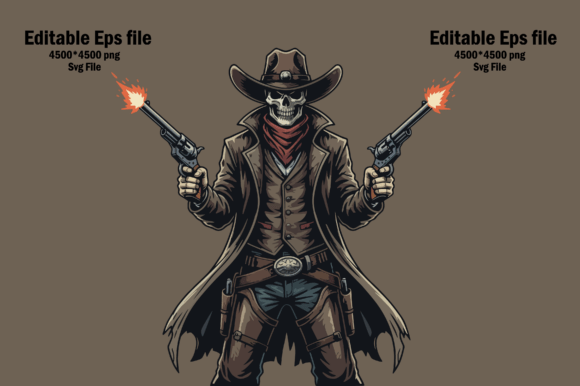
The moment I opened the digital files for Skeleton Cowboy Firing Two Revolvers, I knew this was going to be a statement piece. The design features a stylized skeleton figure in classic cowboy gear, mid-action as he fires two revolvers. It’s dynamic, playful, and has that perfect mix of western charm and gothic flair. The layout is centered, which gives it a strong focal point, and the level of detail in the facial features and gun grips suggests that the artist paid close attention to anatomy and character expression.
Visually, this design screams fun and adventure—perfect for those wanting to add a touch of humor or bold personality to their handmade products. As someone who works with multiple formats (like Ai, EPS, SVG, and PNG), I appreciate the clean lines and high-quality vector work here. The transparent PNG file is especially useful for previewing how the design will look on different fabric types and colors without background interference.
Real-Life Application: Sweatshirt and T-Shirt Embroidery
I recently considered using Skeleton Cowboy Firing Two Revolvers for a custom sweatshirt order from a client who runs a themed bar with a Wild West vibe. The design would have worked well on the back of a hoodie or across the chest of a graphic tee. Its scale and composition are suitable for larger hoop sizes, so it can handle the demands of clothing items like sweatshirts and oversized t-shirts where bigger graphics are more effective.
However, when thinking about t-shirt embroidery, I’d suggest placing it on the front lower third of the shirt rather than the upper center. This keeps the design visible while avoiding distortion from typical movement and stretching. For tote bags, this design could serve as a great eye-catching feature—especially if you’re selling personalized gifts or boutique-style merchandise.
What Customers Might Say
- "That’s hilarious! It looks amazing stitched."
- "I love the retro feel of the design; it fits our shop perfectly."
- "It’s too busy for my baby clothes line."
These reactions highlight the importance of context. While the design is versatile, it’s not universally appropriate. The western motif and skeleton imagery may appeal more to teens and adults than to younger audiences or certain gift markets.
Where to Use Carefully: Small Hoops and Stretchy Fabrics
One thing I noticed right away is that this design isn’t ideal for small hoop sizes. The intricate details and action pose require enough space to maintain clarity after stitching. If you plan to use it on a patch or cap, you’ll need to consider scaling down and simplifying elements like the facial features and gun details.
On stretchy fabrics like rayon blends or thin cotton tees, the design’s density could cause puckering or pulling. High stitch density areas—especially around the hands and guns—may benefit from a heavier stabilizer to prevent distortion. Also, dark-colored fabrics might reduce the contrast of some thread colors, making the design appear less vibrant unless you adjust the color palette accordingly.
Design Notes for Layered Garments and Curved Surfaces
If you're planning to embroider this on layered garments, like a denim jacket over a t-shirt, the texture difference could affect how the stitches lay. You might need to test the design on a sample mockup first. On curved surfaces like caps or hats, the posture of the cowboy might become awkward unless you use a specialized template or split the design into sections.
Visual Appeal and Stitching Clarity
This design is visually engaging. The use of contrasting elements—like the light bone tones against darker outfits—creates depth and interest. When considering stitch density, I found that the artist balanced fill stitches with running stitches effectively. The face and gun barrels are filled with tighter satin stitches for definition, while the limbs and coat use looser fills for flexibility and breathability.
Thread colors are varied and well-placed, giving the design a sense of dimension without overwhelming the machine. That said, if you're working with limited thread availability or budget constraints, you may want to simplify the color scheme slightly to keep costs manageable and ensure consistency.
Product Value and Brand Consistency
Incorporating Skeleton Cowboy Firing Two Revolvers into a product lineup adds a unique edge. Whether you're an Etsy seller aiming to stand out or a small shop owner building a brand identity, this design brings a level of memorability and visual storytelling that can elevate your offerings.
For craft businesses targeting niche markets like Halloween-themed apparel or novelty gifts, this design offers high giftability and recognition. It’s also suitable for holiday embroidery, especially for adult-oriented themes like spooky Halloween décor or quirky Christmas gifts.
Handmade Presentation and Professionalism
When used correctly, this design enhances the perceived professionalism of a handmade product. The quality of the vector files and the thoughtfulness behind the layout make it easy to integrate into printable mockups or digital previews for online listings. Etsy sellers and digital product creators will find it particularly useful for showcasing their embroidered items in a polished way.
Practical Designer Tips for Using Skeleton Cowboy Firing Two Revolvers
- Test on scrap fabric first: Especially important if you're new to the design or unsure about thread colors.
- Check thread color contrast: Ensure it stands out well on your chosen fabric background.
- Review stitch density: Look for tight clusters that might need adjusting for delicate or stretchy materials.
- Confirm hoop size: Don’t assume—it's better to know exactly what you’re working with before starting a production run.
- Inspect small details: The eyes, teeth, and revolver triggers are key to the character’s personality. Make sure they don’t get lost in translation during digitization.
- Use black and white mockups: This helps visualize how the design will appear if printed or if some colors aren’t available.
- Compare light and dark backgrounds: Some parts of the design may fade on darker materials. Adjust accordingly.
- Use proper stabilizer: Especially on stretchy or textured fabrics to avoid misalignment or distortion.
- Confirm licensing terms: Before selling finished items or digital embroidery files, double-check whether the design allows for commercial use.
Final Thoughts on Commercial and Personal Use
Skeleton Cowboy Firing Two Revolvers is a standout machine embroidery design that can bring a lot of energy to your embroidery projects. From custom apparel to embroidered patches, it has the potential to turn simple items into conversation starters. However, its complexity means it requires thoughtful application and preparation.
As a designer and reviewer, I recommend using it on items with enough surface area to showcase its full potential—think large-format tote bags, hoodies, or even pillow covers. For smaller pieces like aprons or tea towels, it might need some reworking or resizing to stay effective without losing its charm.
If you're looking to build a cohesive brand or craft business aesthetic, this design can fit into a collection of western or horror-inspired motifs. Just remember to pair it with complementary design assets and ensure the overall style aligns with your target audience.
Embroidery is as much about artistry as it is about execution. Designs like Skeleton Cowboy Firing Two Revolvers offer the best of both worlds—if handled with care and creativity. Take the time to test, tweak, and think through placement, and you'll end up with a finished product that customers won’t forget.