Howdy Boot SVG Embroidery Review
When I first pulled up the Howdy Boot SVG on my screen, I didn’t just see a cowboy boot; I saw a complete mood. As a designer who spends hours evaluating digital assets for real-world production, I look past the initial visual appeal to ask one critical question: will this stitch well? Will it hold up? And most importantly, will a customer actually want to wear or display it? This design answers those questions with a confident yes, provided you approach it with the right technical strategy.
The First Impression: Western Charm Meets Practicality
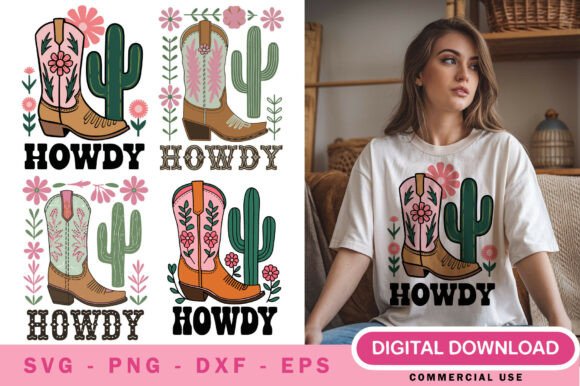
The immediate draw of this graphic is its personality. It isn’t trying to be overly ornate or complicated. Instead, it leans into a fun, rustic font paired with a stylish silhouette that feels instantly recognizable. In the world of T-Shirt Designs and general Graphics, simplicity is often the hardest thing to master, yet here it works beautifully. The layout suggests a balanced composition that translates naturally to embroidery without feeling cramped or sparse.
I imagine this design sitting comfortably in the sweet spot between novelty and everyday wearability. It has that "gift shop" appeal but possesses enough structural integrity to work as a serious brand asset for a boutique. When I visualize this on a canvas tote bag or a heavyweight sweatshirt, the contrast between the clean lines of the boot and the playful typography creates a cohesive visual story. It’s not just a logo; it’s an invitation to a lifestyle—ranch life, country weekends, or simply a love for western aesthetics.
Real-World Application: From Scrap Fabric to Shelves
To truly understand how this design performs, we have to move it off the screen and onto fabric. Let’s walk through a specific scenario. I am preparing a batch of custom embroidered tote bags for a local craft fair. These bags are destined for tourists looking for a souvenir from the area. The Howdy Boot SVG is perfect for this because it communicates location and vibe instantly. However, the execution matters.
If I were placing this on a tote bag, I would likely center the design on the front panel. The boot provides a strong vertical anchor, while the word "Howdy" offers horizontal balance. But what about other surfaces? Consider a baby onesie. Here, the scale changes dramatically. The design needs to be resized carefully so that the details don’t get lost in the stitching process. On smaller items like baby clothes or caps, the fine lines of the boot’s stitching must remain clear. If the design is too small, the individual stitches might merge into a muddy blob, ruining the crispness that makes this design appealing.
I also see potential in home decor. A pillow cover made of linen or burlap would enhance the rustic theme. The texture of the fabric complements the western motif, creating a tactile experience that matches the visual one. Similarly, kitchen towels or tea towels could feature a smaller version of the boot, perhaps placed near the hem. This kind of placement adds a touch of whimsy to daily routines, making the finished product feel personal and thoughtful.
Technical Considerations for Embroidery Designers
While the visual concept is strong, the technical translation requires careful planning. Not every surface is created equal, and some materials pose challenges for this specific design.
- Fabric Texture and Stability: Avoid using this design on highly textured fabrics like heavy bouclé or loose-weave wool unless you use a robust stabilizer. The uneven surface can cause needle deflection, leading to misaligned stitches. Thin fabrics, such as lightweight jersey or silk, require a tear-away or cut-away stabilizer to prevent puckering, especially if the design includes dense fill stitches.
- Stretchy Materials: If you plan to embroider this on stretchy hoodies or leggings, you must use a stabilizer that can handle tension. Otherwise, the hoop marks may remain visible after removal, or the fabric may distort during stitching.
- Curved Surfaces: Caps and hats present a unique challenge. While the boot shape is relatively straightforward, stitching on a curved brim or crown requires a specialized cap frame. You must ensure the design is digitized to account for the curvature, or it may appear distorted when viewed from the side.
- Dense Stitch Areas: Pay close attention to any solid fill areas in the boot. High stitch density can make the fabric stiff and uncomfortable, particularly on apparel that will be worn against the skin. For baby items or inner linings, lighter fill stitches or applique techniques might be preferable to maintain softness.
Thread Color and Contrast Strategy
One of the most critical aspects of bringing this design to life is thread selection. The Howdy Boot SVG relies heavily on contrast to define its shapes. On dark fabrics, such as navy or black cotton, you will need bright, vibrant threads to make the boot pop. Think denim blue for the boot body with white or gold accents for the stitching details. On light fabrics, earth tones like tan, brown, and cream can create a subtle, sophisticated look that doesn’t overwhelm the material.
I recommend testing your thread choices by printing the design in black and white. This helps you assess the value distribution and ensures that no part of the design gets lost due to low contrast. Additionally, consider using metallic or specialty threads for accents, but use them sparingly. Too much sparkle can distract from the overall composition and may not hold up well after multiple washes.
Product Value and Customer Trust
For Etsy sellers and small business owners, the quality of the embroidery directly impacts customer trust. A poorly stitched design can look cheap, regardless of how good the original graphic was. Conversely, a well-executed Howdy Boot SVG signals professionalism and attention to detail. Customers are willing to pay a premium for handmade products that look polished and durable.
This design also lends itself well to personalization. Adding a name above the boot or below the text can transform a generic item into a unique gift. Personalized gifts often have higher perceived value because they are tailored to the recipient. Whether it’s a wedding gift for a couple who loves country music or a birthday present for a ranch hand, the ability to customize enhances the emotional connection to the product.
Commercial Viability and Licensing
Before you start mass-producing items, always verify the licensing terms. Ensure that you have the right to sell finished products featuring this design. Some creators allow commercial use with attribution, while others require a separate license. Understanding these restrictions protects your business from legal issues and respects the intellectual property of the original artist.
In conclusion, the Howdy Boot SVG is a versatile and charming addition to any embroidery library. Its rustic aesthetic and clear structure make it suitable for a wide range of projects, from casual apparel to home decor. By paying attention to fabric choice, stitch density, and thread contrast, you can create high-quality finished products that resonate with customers. Test it thoroughly, experiment with different materials, and let your creativity guide you. With the right approach, this design can become a staple in your collection, helping you build a brand that stands out in the crowded marketplace of handmade goods.